Description
PRODUCT DESCRIPTION
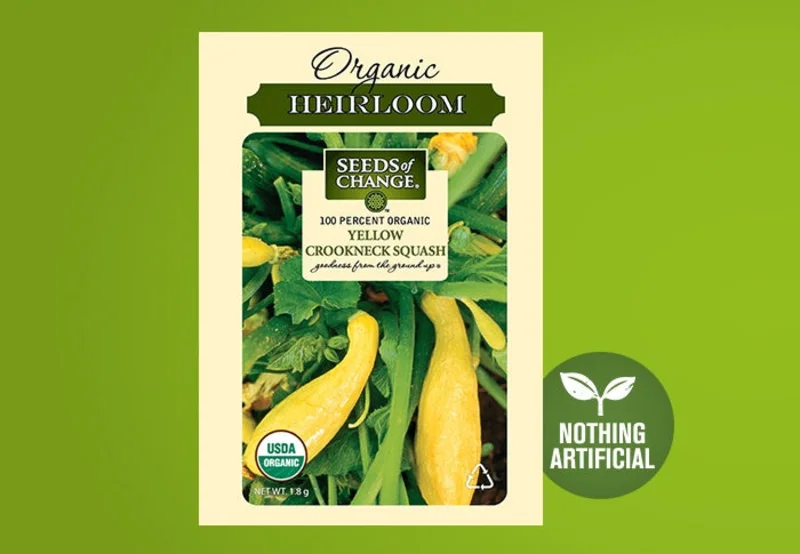
Cucurbita pepo
This easy-to-grow, heirloom, yellow summer squash produces abundant fruits with graceful necks that are famous for flavor.
USDA Organic
QUICK FACTS
chevron_left
Plant Size:34 foot bushes
Hardiness:Tender Annual
Sun:Full
Seed Planting Depth:1 inch
Days to Harvest:50 days
Good for Container:Yes
Seed Origin:Heirloom (Open Pollinated)
Easy to Grow:Yes
Water:Moderate
Days to Germinate:712 days
Plant Spacing:1224 inches
Edible Flower:Yes
GROWING GUIDEchevron_left
GROW GUIDE CONDITIONS:
Squash and pumpkins are frost sensitive, heat loving crops. They grow best on well drained, fertile soils with a pH between 6.07.5. Supply consistent moisture with drip irrigation to reduce mildew and other foliar diseases. For winter squash and pumpkins, reduce watering as fruits near maturity.
GROW GUIDE SEED:
Squash are most commonly direct seeded, although transplanting is possible in short season areas. Optimum soil temperature for germination is 7085F, but seeds will germinate at temperatures as low as 60F. Direct seed 2-3 weeks after the last spring frost when weather is warm and settled. Plant seed 1 inch deep, 3 seeds grouped together every 1824 inches, allowing 2436 inches between rows for squash; or 2436 inches apart and 3660 inches between rows for pumpkins. Thin to one plant per spot. To start indoors, fill 4 inch pots with a sterile seed staring mix. Plant 2 seeds per pot and thin to one plant by snipping off the weaker seedling at the soil level. Harden-off seedlings for 57 days prior to transplanting. Squash do not like having their roots disturbed, so transplant 34 week old seedlings outside carefully after the last frost.
GROW GUIDE PESTS:
Practice 3 year crop rotations among all Cucurbit family crops (cucumbers, melons and squash). Foliar diseases such as Powdery and Downy Mildew, Alternaria Blight, and Angular Leaf Spot can be minimized by using drip irrigation and mulching to minimize splash-dispersal of spores. Spray young seedlings with insecticidal soap, pyrethrins and neem oil, or cover with floating row cover, to prevent cucumber beetle damage and the bacterial wilts they can vector, but uncover plants during flowering for pollination. Control aphids to prevent mosaic virus. Squash Vine Borers can be surgically removed from the stems. At the first sign of wilt, look for the sawdust-like “frass” at the entry hole and cut parallel to the stem to extract and crush the worm. Use a twist tie to loosely seal the wound, bury the stem, and hope the plant survives. See our merchandise section for related products.
GROW GUIDE HARVEST:
Summer Squash: Harvest when fruit is 68 inches long by cutting from the plant with a knife. Pick frequently and remove all oversized fruit to encourage additional fruit production.
Reviews
There are no reviews yet.